

 By
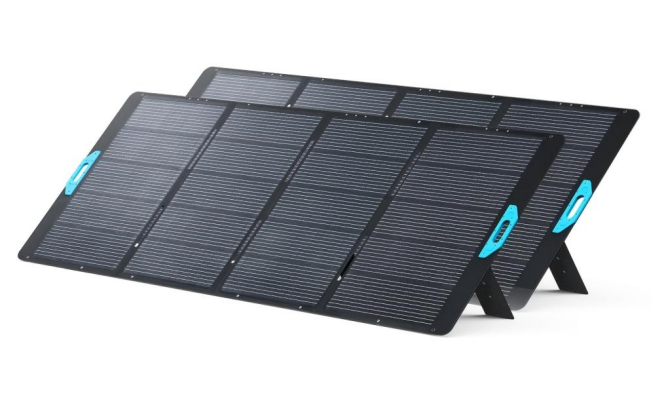
By Solar panels make home energy feel more predictable by shifting homeowners toward clearer production patterns, more controllable consumption habits, and better planning around sunlight availability. Even though sunlight changes from hour to hour, the broader daily and seasonal patterns provide enough consistency for households to forecast their energy expectations. Portable systems also reinforce this sense of stability. When someone uses a panel such as the Anker SOLIX PS400 Portable Solar Panel, they experience how steady sunlight conditions and adjustable angles support predictable charging behavior. Understanding these dynamics helps homeowners treat solar not as an uncertain source but as a structured, dependable part of everyday energy planning. This sense of stability also reshapes how panels solar home systems integrate with storage, appliances, and budgeting.
Why Solar Production Patterns Create Stability?
Sunlight Cycles Form a Reliable Daily Rhythm
Solar production rises and falls with the sun’s path, and that rhythm stays consistent across seasons. Even though output varies with clouds or weather, the broad pattern remains dependable: morning ramp-up, midday peak, afternoon decline. Homeowners who monitor these cycles quickly learn when their system performs best. For example, a portable panel like the PS400 illustrates this clearly because its 400W output grows noticeably stronger when positioned correctly at midday. The predictable timing allows households to schedule energy-heavy tasks during high-production windows. This rhythm builds confidence and reduces anxiety, replacing the unpredictability of fluctuating electricity rates with long-term solar patterns that rarely shift dramatically without seasonal cause.
Panel Behavior Encourages Smarter Energy Planning
Once homeowners understand typical solar output curves, they begin to plan more intentionally. They run appliances when production peaks, charge batteries strategically, and reserve grid power for cloudy or low-light hours. This structured decision-making makes energy consumption feel more controlled. The PS400 reinforces this learning process because users can see direct changes in charging speed when switching between its four preset tilt angles—30°, 40°, 50°, and 80°. Adjusting the angle to match the sun becomes a simple demonstration of how controlled inputs lead to predictable energy outcomes. Over time, this mindset creates a stable household energy routine anchored in solar reliability.
Seasonal Patterns Enhance Long-Term Predictability
Even though each season affects how much sunlight reaches the roof, the seasonal changes follow a stable, annual cycle. Homeowners know that winter brings lower production but also shorter days and lower household cooling demands. Summer produces higher output but also higher energy needs. Because these trends repeat each year, they become part of household expectation-setting. A portable panel like the PS400 helps illustrate the seasonal effect because users can take it outdoors and observe how angle, sun height, and shadows vary across the year. Experiencing the seasonal cycle firsthand makes solar energy feel structured rather than random, increasing confidence in the long-term reliability of home systems.
How Solar Boosts Predictability in Consumption and Backup Use?
Energy Storage Makes Home Output More Consistent
Solar paired with storage creates even greater predictability. Batteries smooth out production dips and allow households to rely on stored power during the night or cloudy stretches. Storage turns solar from a variable supply into a regulated, on-demand resource. While rooftop systems typically involve home batteries, portable setups operate similarly on a smaller scale. When a homeowner pairs the PS400 with a compatible power station, they see how steady sunlight charges the station and how that stored supply delivers reliable output later. This mirrors home-scale storage logic: produce when the sun is available, draw from reserves when it is not. This system-wide buffering effect is one of solar energy’s strongest contributions to predictability.
Solar Encourages Households to Map Peak and Off-Peak Behavior
Using solar power prompts households to rethink their energy timing. Instead of relying blindly on grid electricity, they gain awareness of when their home uses the most energy and how solar can offset those peaks. This awareness reduces uncertainty, helps avoid unexpected high bills, and gives homeowners direct control. Portable panels reinforce this learning because users can run small devices during high sunlight hours and observe how production naturally aligns with daytime routines. With the PS400 producing strong power under clear conditions, homeowners can test how certain devices or charging setups behave. This creates a more intuitive understanding of energy timing, replacing guesswork with real insights.
Backup Options Strengthen the Sense of Reliability
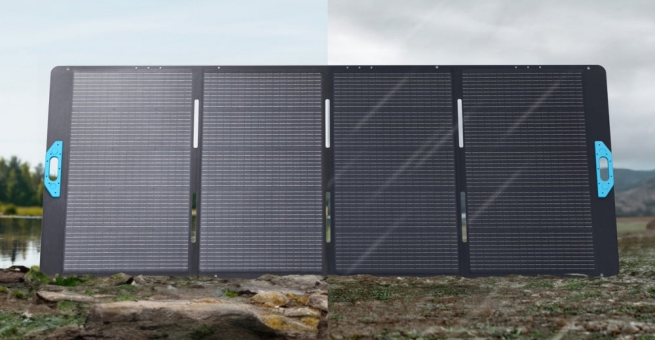
Solar also enhances household predictability by providing dependable backup pathways. During power outages, solar panels combined with storage maintain essential functions. Even portable systems contribute to this confidence. The PS400, protected by its IP67 waterproof rating, performs reliably outdoors and continues to gather energy for a compatible power station. This stability helps homeowners view solar as a supportive layer of resilience rather than an intermittent perk. When backup plans feel structured and dependable, the entire home energy ecosystem becomes easier to trust. Predictability grows not only from production patterns but also from confidence in the system’s readiness during emergencies.
Conclusion
Solar panels make home energy feel more predictable by providing steady sunlight-driven production patterns, structured daily rhythms, and reliable seasonal cycles. Households learn to anticipate when power will peak, plan their consumption accordingly, and rely on storage for consistency throughout the day. Tools like the Anker SOLIX PS400 Portable Solar Panel highlight these principles in a visible and practical way, showing how tilt angle, sunlight, and design influence performance. As homeowners gain experience with both rooftop and portable systems, uncertainty fades and a clearer, more controlled energy routine emerges. This predictability becomes central to how modern households manage consumption, reduce reliance on the grid, and build long-term confidence in their solar investment.