

 By
By Weight plays a central role in how easily a power station fits into everyday life. Whether someone uses it for camping, road travel, home backup, or work projects, the unit’s overall mass affects convenience, frequency of use, storage options, and transportation. Even advanced features and high capacity cannot reach their full potential if the product becomes difficult to move or position. A model like the Anker SOLIX F2600 Portable Power Station offers a balanced approach by combining a 2,560Wh LFP battery, 2400W continuous output, a compact form factor, and expandable battery options—all designed with practical handling in mind. Understanding how weight shapes real usability helps consumers choose the right system for both daily tasks and long-term preparedness.
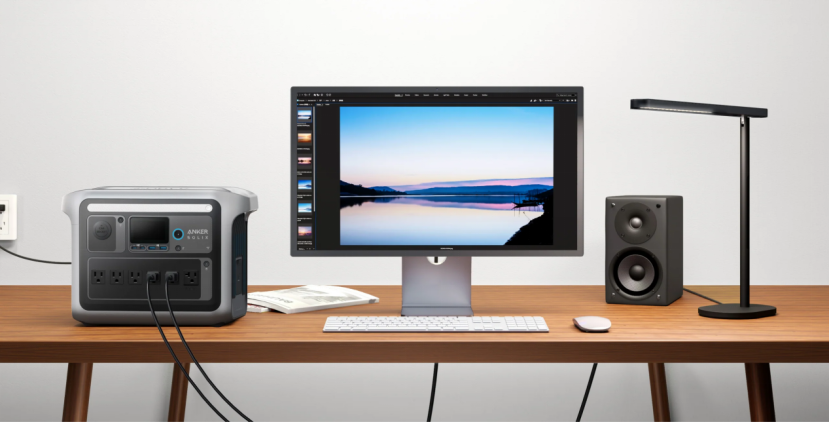
How Weight Shapes Everyday Handling and Mobility?
Carrying Ease Influences How Often Users Deploy the Unit
Power stations vary dramatically in size and mass, and these differences determine how frequently people feel comfortable using them. A heavy unit may remain stored until absolutely necessary, but a more manageable one becomes a regular part of daily routines. The Anker SOLIX F2600 portable power station maintains a compact footprint while housing a high-capacity battery, which encourages more spontaneous use. Users can easily reposition it from a storage shelf to a car trunk or a workspace without planning around cumbersome lifting. This convenience matters whether powering outdoor events, charging devices during travel, or supporting tools in the yard. When weight feels manageable, the device acts as a natural extension of daily life rather than equipment reserved only for emergencies.
Transportation Convenience Affects Travel and Outdoor Use
Travelers, van dwellers, campers, and road-trip enthusiasts rely on streamlined equipment. Heavier power stations complicate transport, forcing users to allocate extra space, plan additional lifting assistance, or avoid taking the unit altogether. A balanced-weight model allows easy integration into cars or RVs and minimizes the effort needed to relocate it at campsites or trailheads. While the SOLIX F2600 carries substantial energy reserves, its compact, strong build remains suitable for movement between environments. Fast charging via HyperFlash™ also reduces the need to transport additional batteries or accessories. When users can move a power station without hesitation, they optimize its value and incorporate it more naturally into various travel routines.
Weight Impacts Setup Flexibility in Tight or Remote Locations
Handling weight becomes especially important when power stations must be placed in specific operational areas—near appliances, outdoors next to solar panels, or inside small rooms. A heavy, bulky device limits placement options, which may force users into awkward or less efficient setups. A more streamlined design like the F2600 offers placement freedom, allowing users to position it on shelves, in van cabinets, or on stable outdoor surfaces with minimal effort. Solar charging also benefits from a manageable weight because users often reposition panels or the station itself throughout the day. Weight directly affects how adaptable the system becomes in real-world use, especially in environments where space and access are limited.
How Weight Influences Long-Term Usability and Experience?
Lighter Handling Reduces Physical Strain Over Time
Repeated lifting, rotating, or transporting a heavy power station can cause fatigue or discomfort, especially for older users or those with limited mobility. A design that balances weight with capacity improves long-term user experience by minimizing physical strain. The SOLIX F2600’s size-to-capacity ratio helps users manage power needs without overexertion. Even though it holds a high-capacity LFP battery, its compact, sturdy structure remains easier to maneuver. This balance reduces the physical barrier that often discourages people from frequent use. A comfortable handling experience encourages consistent deployment, extending the unit’s practical lifespan and making it feel like a tool rather than a burden.
Storage Decisions Depend on Manageable Weight
A power station that is difficult to move usually ends up stored in a single location—often far from where it is needed most. This reduces access during outages, travel preparation, or spontaneous outdoor plans. A more reasonably weighted model encourages flexible storage patterns. Users can keep the device in a vehicle during storm seasons, move it to a garage when needed for tools, or place it in a home office for tech backup. The F2600’s compact structure supports this flexibility, helping owners store it in places that align with intended usage rather than places that simply accommodate bulk. Good storage placement ensures faster access and smoother operation at critical moments.
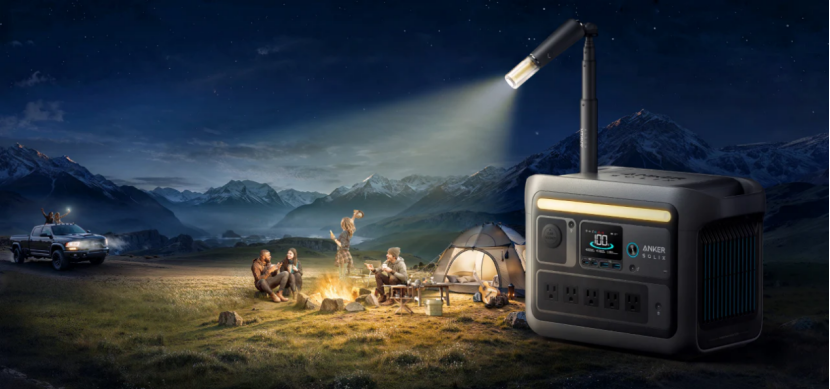
Weight Influences Expandability and System Configuration
Power stations that support expansion must maintain a manageable core weight so users can configure their setups without difficulty. Heavy base units discourage upgrades because repositioning becomes more complicated. A well-designed system, such as the F2600 with its optional 760Wh expansion battery, relies on a core weight that users can still handle with confidence. This encourages owners to build modular setups for home backup, RV living, or long-term off-grid use. When users feel confident lifting or adjusting the primary unit, they are more likely to optimize the system around their energy needs rather than limiting themselves due to physical constraints. Weight becomes a factor that shapes how customizable and future-ready a power station truly is.
Conclusion
Weight plays a pivotal role in determining the real-world usability of modern power stations. It influences how easily users transport the unit, how frequently they rely on it, and how smoothly it integrates into storage spaces, camping setups, and mobile environments. A balanced design like the Anker SOLIX F2600 Portable Power Station demonstrates how high capacity and manageable handling can coexist, supporting comfort, flexibility, and consistent access to reliable energy. When users understand how weight affects daily and long-term functionality, they can select a power station that not only meets capacity requirements but also fits comfortably into their lifestyle. Ultimately, usability increases when performance, portability, and practical handling align.