

 By
By Solar-powered generators vary greatly in weight and size, and selecting the proper model is dependent on how and where you want to utilize it. Some units are meant for home backup and remain stationary, whilst others are intended for travel, camping, or mobile business. Understanding what factors influence a generator’s weight and footprint allows you to select a model that strikes a balance between power production and convenience. This tutorial covers the important aspects that influence size, how portability characteristics operate in real-world circumstances, and how to choose the ideal generator that meets your energy requirements without being too heavy to transport or store.
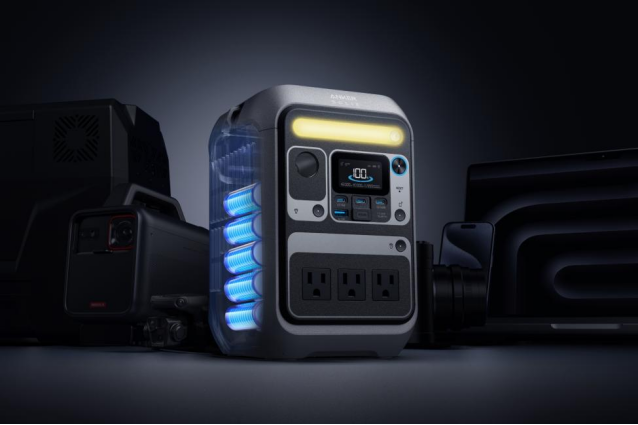
What Determines the Weight and Size of a Powered Generator?
Battery Capacity, Chemistry, and Their Impact on Weight
The biggest factor affecting the weight of a solar power generator is its battery. Higher-capacity batteries store more energy but are significantly larger. A 300Wh unit may weigh less than 10 pounds, but a 2,000Wh device might weigh more than 45 pounds. Lithium iron phosphate (LiFePO₄) batteries are heavier than normal lithium-ion batteries, but have longer lifespans and superior thermal safety. Lead-acid batteries, while less expensive, are larger and less efficient for portable applications. Choosing the correct battery type necessitates a compromise between energy density, weight, and longevity. Knowing how much power you truly require allows you to avoid carrying unnecessary weight that serves no practical use.
Inverter Size, Cooling Systems, and Internal Components
Aside from the battery, interior components such as the inverter have a considerable influence on solar generator size and weight. The inverter transforms stored DC electricity into alternating current (AC) for use in ordinary appliances. Larger inverters (1,000-3,000W) may accommodate more demanding devices, but they are heavier and need stronger interior construction. Efficient cooling solutions, such as heat sinks and internal fans, reduce overheating, particularly during prolonged usage, although they also increase weight and bulk. Other built-in features, such as MPPT charge controllers, circuit breakers, and sophisticated monitoring displays, consume considerable space. While these components improve safety and use, they may increase the generator’s footprint. High-wattage, feature-rich versions are heavier; thus, smaller devices frequently limit output and simplify internal construction to remain portable.
Design Choices That Affect Overall Footprint and Form Factor
Manufacturers create solar-powered generators with varying priorities—some seek ultra-compact travel units, while others focus on all-in-one household solutions. The form factor is influenced by the architecture of battery cells, the location of ports, and the materials used. Compact designs may stack components vertically to save surface area, but heavier-duty variants have wider bases for stability. Materials like reinforced plastic assist in minimizing weight while maintaining durability. Rounded edges, integrated handles, and stackable frames significantly improve the unit’s storage and mobility. Some designs emphasize durability for outdoor usage, while others focus on space-saving proportions for residences or car storage. Every design decision influences how user-friendly the generator is in real-world scenarios.
How Does Size and Weight Affect Portability in Real Use?
Carry Handles, Wheels, and Mobility Features
Portability is determined by more than simply weight; built-in features such as carry handles, wheels, and ergonomic design are equally important. Lightweight generators weighing less than 20 pounds sometimes incorporate top or side handles for easy one-handed transport. Telescoping handles and wheels may be included in mid-size versions to facilitate transportation, particularly on difficult terrain or through campgrounds. Rubber grips and recessed handles provide more comfort and grip. Dual side grips on heavy-duty models facilitate team lifting. Select a design that reflects your strength and regular usage circumstances. If portability is important, always think about how the generator’s design and built-in mobility tools will affect everyday use.
Transporting Solar Generators for Home, Travel, and Work
The size and weight of a solar power generator impact the ease of transit between places. For household use, mobility may merely include relocating the unit from a closet to the living room during an outage. Compact variants are ideal for RV excursions and camping since they fit into storage compartments or passenger seats. Contractors and mobility professionals utilize generators on many working sites; therefore, solid handles and protective casing are required. Look for systems that neatly bundle solar panels, connections, and accessories for easy portability. The finest portable generators combine power, durability, and a small design for easy transfer across diverse conditions.
Storage Considerations for Small Spaces and Vehicles
Apartments, vehicles, RVs, and tiny houses all have little space, so compact storage is essential. A larger solar generator may provide more electricity, but it is difficult to fit into tight closets or car compartments. Consider stackable designs or versions with square, boxy shapes that may be stored on shelves or in bins. Look for generators that have built-in cable management or storage chambers to help eliminate clutter. When storing items in automobiles, pick those that can lie flat or slip beneath seats. Also, consider ventilation—avoid storing devices in closely enclosed places with little airflow. Efficient storage makes a solar generator more useful for regular or emergency use.
How Do You Choose the Right Balance Between Power and Portability?
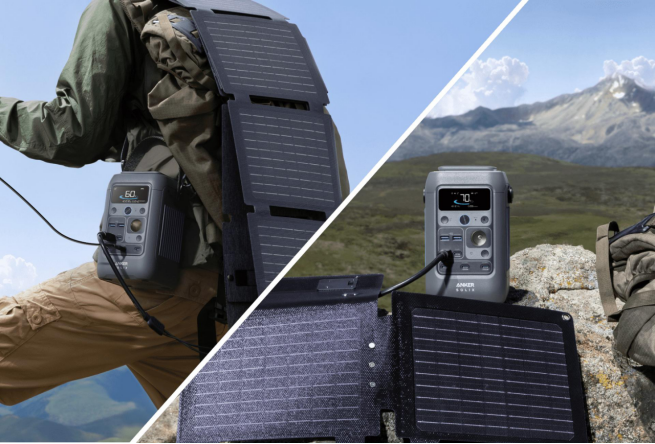
The most common use case determines whether you should prioritize power or portability. A lightweight 300-500Wh device that fits in a backpack is ideal for charging phones, computers, or fans while traveling. If you intend to operate appliances such as refrigerators or microwaves, choose a greater capacity (1,000-2,000Wh) and tolerate the additional weight. A mid-range generator with wheels provides a versatile option for mixed use, including home backup and occasional travel. Always verify output wattage, runtime, and physical specifications. A strong generator is useless if it is too large to operate or store. Aim for a device that matches your power requirements without making portability difficult.
Conclusion
Important factors to take into account while selecting a solar-powered generator are size, weight, and mobility. Every parameter, from battery chemistry to design elements, influences how simple it is to transport, store, and operate your system. Compact variants are suitable for travel and light consumption, while bigger ones give more power for appliances but need strategic transit and storage. Finding the ideal mix between portability and performance is crucial, whether you’re powering tools at a construction site, camping off-grid, or getting ready for emergencies at home. To get the most out of your solar investment, pick a generator that suits your lifestyle rather than just your power requirements.