

 By
By A portable solar panel can be one of the most useful upgrades you bring into the outdoors. It keeps phones, cameras, lights, and even small appliances running without hunting for outlets or carrying extra fuel. But camping conditions are unpredictable – sunlight changes, weather turns quickly, and you may move camp more than once. That’s why choosing the right portable solar panel matters. Below are the key features to look for so your setup stays simple, reliable, and efficient from day one.
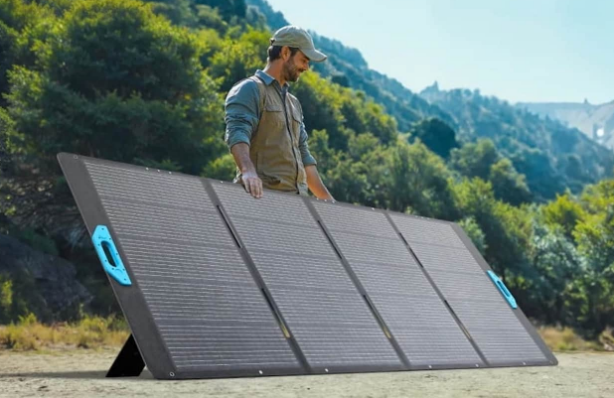
Must-Have Features for Camping-Ready Portable Solar Panels
With so many panel solar camping options available, it helps to focus on features that directly affect performance and ease of use at camp.
Right Wattage for Your Gear
Start with output. A 30W panel is often enough for charging phones and small electronics, while 100W–200W panels are better if you’re topping up a power station or running a portable fridge. For example, the Anker SOLIX PS30 offers 30W charging designed for on-the-go devices, while higher-watt options like the SOLIX PS100 are more suitable for longer trips or heavier loads. Choosing the right wattage prevents slow charging and keeps your setup efficient.
Port Options for Direct Charging
Camping panels are far more convenient when they support direct device charging. USB-A and USB-C outputs let you plug in phones, tablets, cameras, and power banks without extra adapters. The Anker SOLIX PS30 includes both USB-A and USB-C ports, making it an easy grab-and-go option for day hikes or basecamp charging.
Foldability and Pack-Friendly Design
Portability is the entire point, so pay attention to folded size, weight, and how easy it is to carry. Foldable panels store neatly in vehicles and are easier to manage at a campsite than rigid panels. Accessories matter too—carabiners, handles, or storage pockets make the panel easier to transport and deploy quickly.
Weather Resistance for Real Outdoor Use
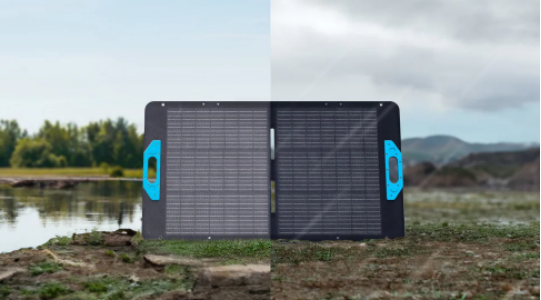
A camping panel should be built for dust, splashes, and sudden rain. Look for an IP rating that matches outdoor conditions. For instance, the Anker SOLIX PS30 has an IP65 weather-resistant design, which helps it keep working when the forecast doesn’t cooperate. Weather resistance reduces stress and extends the panel’s usable life.
Adjustable Angle and Easy Positioning
Solar panels charge faster when they face the sun directly. Panels with kickstands or adjustable angles help maximize energy capture as the sun moves throughout the day. This is especially helpful in wooded areas where you may need to reposition the panel to avoid shade.
High-Efficiency Solar Cells
Cell type impacts output in real conditions. Monocrystalline cells typically provide better efficiency, meaning more power in less space and stronger performance in partial sunlight. Higher efficiency also means you can often bring a smaller panel without sacrificing too much charging speed.
Connector Compatibility with Power Stations
If you plan to charge a portable power station, check the connector types and included cables. MC4 connectors are common in camping solar panels because they’re stable and efficient. Anker SOLIX panels often include MC4 cables or adapters (like MC4 to XT-60) to simplify compatibility with portable power stations, reducing the need for extra purchases.
Durability and Build Quality
Camping involves folding, unfolding, packing, and moving gear repeatedly. Look for strong stitching, reinforced corners, and protective outer materials that resist scratches and rough handling. A durable panel is more likely to survive multiple seasons of trips.
Conclusion
The best portable solar panels for camping combine the right wattage, convenient ports, reliable weather resistance, and easy setup features that match outdoor realities. When you prioritize efficiency, compatibility, and durability, you’ll spend less time troubleshooting and more time enjoying the trip. Whether you need lightweight or higher-output solar panels, the right choice makes your panel solar camping setup feel effortless. With the right features, solar power becomes a dependable part of your camp routine.