

 By
By Outdoor travel today often involves more electronics than many people expect. Smartphones handle maps and emergency calls, cameras capture memories, and GPS devices help travelers stay on course. Keeping these tools powered can be challenging when campsites, trails, or remote roads are far from electrical outlets. Different portable energy solutions are designed to meet different levels of demand. Choosing the right one depends on trip length, device usage, and environmental conditions. In this article, the most practical power sources for outdoor travel are explained clearly, helping travelers match energy options to real-life needs.
1. How Much Power Do You Really Need?
Calculate daily device usage
Understanding daily energy needs is the first step in choosing a travel power source. A phone used for navigation, photos, and messaging may need a full recharge every day. Cameras, drones, or action cams can require multiple battery top-ups, especially during active trips. Headlamps, portable speakers, and smartwatches add to total energy demand. Listing each device and estimating how often it needs charging helps create a realistic power plan. This simple calculation prevents overpacking heavy gear or underestimating energy needs. Clear expectations make it easier to select the right mix of batteries and chargers.
Match power source to trip length
A short day hike requires far less stored energy than a week-long camping trip. For brief outings, a small battery pack may be enough to cover emergencies. Longer trips, especially in remote areas, benefit from larger storage or renewable charging options. Weather, access to sunlight, and chances to recharge in vehicles also influence the choice. Matching energy capacity to trip duration helps balance weight and reliability. Proper planning reduces the risk of running out of power at a critical moment.
2. Battery-Based Power Stations
Best for high-energy needs (cameras, drones, lights)
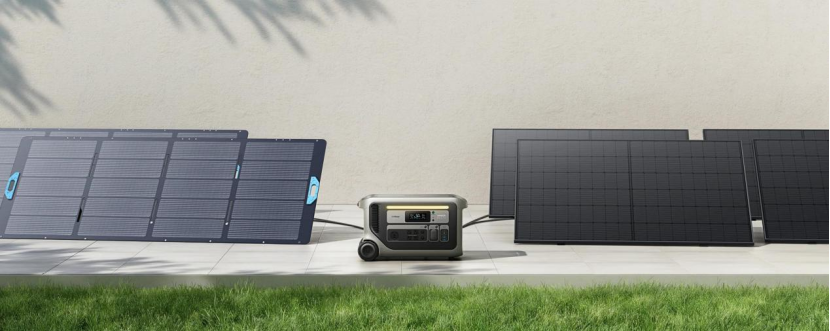
Portable power stations are useful for travelers who carry high-drain equipment. Devices like drones, camera charging hubs, or bright camp lighting can quickly drain smaller batteries. A larger power station can recharge these devices multiple times before needing a refill. This makes it practical for base camps or vehicle-supported trips. Built-in displays usually show remaining capacity, helping users manage energy use. Their ability to handle larger loads makes them reliable for more demanding setups.
Choose by capacity, weight, and output ports
Not all power stations are designed the same way. Capacity determines how much energy can be stored, while weight affects portability on foot. Output options such as USB ports, DC connectors, and AC outlets increase compatibility with different gear. Travelers who hike long distances often prioritize lighter models, while road travelers may choose larger units. Matching features to specific equipment prevents carrying unnecessary bulk. Careful selection improves both efficiency and comfort on the trail.
3. Solar Charging Options
Ideal for sunny, multi-day trips
Solar charging works best when trips involve several days in open, sunny environments. Panels can be set up at camp during the day to collect energy while activities continue. This approach reduces dependence on pre-charged batteries alone. Even partial solar input can extend the usable life of stored power. Clear skies and minimal shade significantly improve results. For extended outdoor stays, solar becomes a valuable supplement to stored energy.
Foldable panels paired with power banks
Foldable solar panels are designed for easy packing and quick setup at campsites or rest stops. When paired with a solar power bank, energy collected during the day can be stored for evening device charging. Compact systems using durable battery designs and long service life, such as those often seen in Anker SOLIX solar power bank setups, are commonly selected for their balance between portability and reliable storage. This arrangement works well for charging phones, GPS units, and small cameras without carrying heavy equipment. Positioning panels in direct sunlight during breaks helps make the most of available light. Over several days, this steady energy collection can significantly reduce the need for traditional charging sources.

4. Compact Power for Day Trips
Power banks for phones and GPS
For short outings, lightweight power banks provide a simple and effective solution. These small batteries can recharge a phone or GPS device once or twice. Their compact size makes them easy to carry in a pocket or small pack. Fast-charging features help devices regain power quickly during short stops. They are especially useful for navigation and emergency communication. For many day trips, a single power bank covers essential needs.
Lightweight and fast-charging models
Travelers who prioritize mobility often look for models with a strong balance of capacity and weight. Fast-charging capability reduces downtime when access to power is brief. Durable outer shells protect the battery during active use. Multiple output ports allow charging more than one device at a time. These features make small power banks versatile for both outdoor and everyday travel. Choosing a reliable model improves confidence in staying connected.
5. Emergency & Low-Power Alternatives
Hand-crank or wind-up chargers
Manual chargers generate electricity through physical effort rather than stored or solar energy. They are typically used as a last-resort backup when other options are unavailable. A few minutes of cranking can provide enough power for an emergency call or short light use. These chargers are small and lightweight, making them easy to pack. Although not suitable for regular charging, they offer dependable performance in critical moments. Their value lies in reliability rather than convenience.
Thermoelectric or fuel-based backups
Some outdoor power solutions use heat or fuel to generate electricity. Thermoelectric devices can produce small amounts of power from a camp stove’s heat. Fuel-based generators provide higher output but add weight and require careful handling. These systems are generally used in more remote or vehicle-supported scenarios. They serve as backups when solar or battery systems are insufficient. Used wisely, they add another layer of energy security during extended trips.
Conclusion
Choosing the best power source for outdoor travel depends on balancing energy needs, trip length, and portability. Small power banks suit short outings, while larger battery stations support energy-intensive gear. Solar panels add renewable charging during sunny, multi-day trips. Emergency tools such as manual chargers provide backup when other systems fall short. Understanding how each option performs in real-world conditions helps travelers prepare more effectively. With the right combination of power solutions, outdoor adventures can remain connected, safe, and well-documented without unnecessary stress over battery life.