
 By
Is it Illegal to Have Cameras in Classrooms?

Introduction
The debate over classroom surveillance has intensified recently. As technology evolves, more schools are considering installing cameras in classrooms to enhance security and ensure student safety. However, this trend raises significant legal and ethical questions. Is it illegal to have cameras in classrooms? This blog provides a comprehensive analysis of the legal landscape and the ethical considerations surrounding classroom surveillance in 2024.
The Rise of Classroom Surveillance
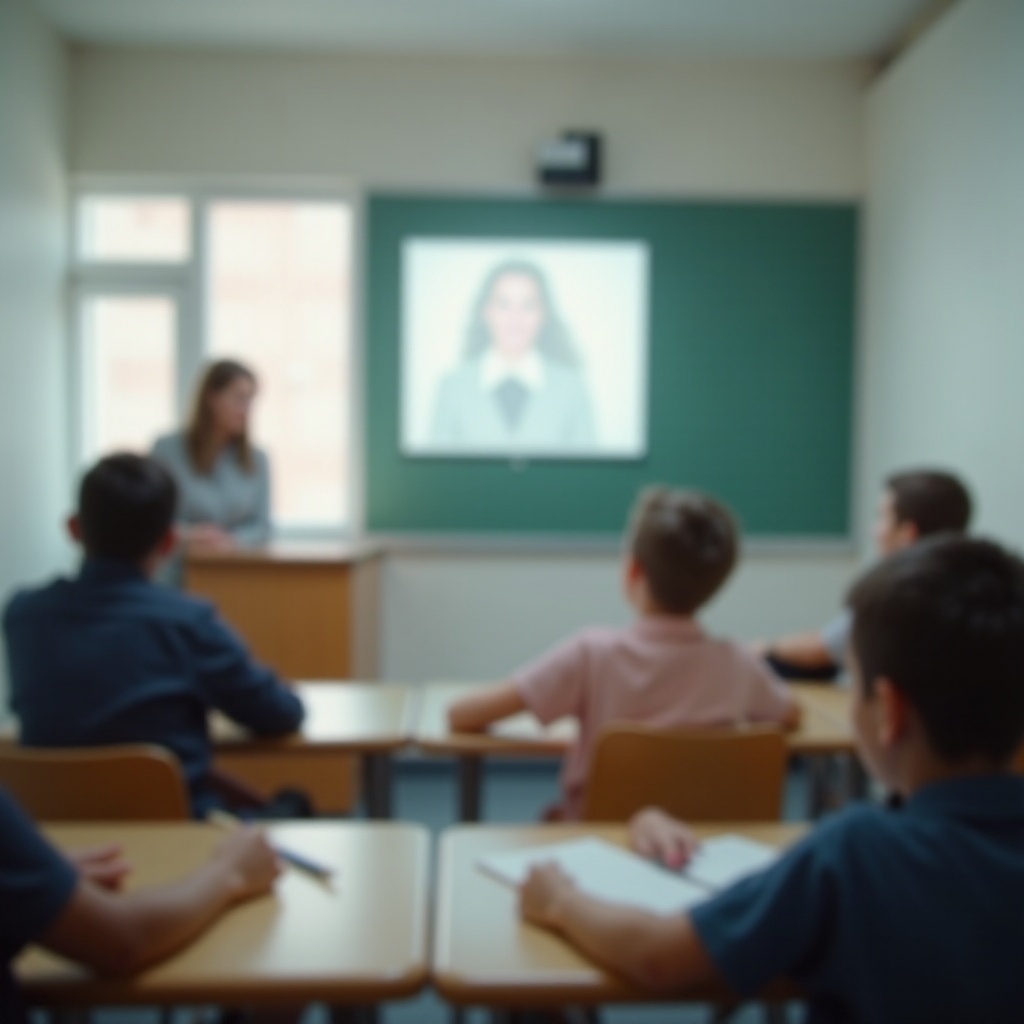
The last decade has seen a notable increase in surveillance systems within educational institutions. Schools install cameras for various reasons – from monitoring student behavior to preventing unauthorized access and ensuring teachers’ safety. Surveillance cameras in classrooms can provide a sense of security and a deterrent against misconduct. However, the adoption of such measures comes with its set of challenges and controversies.
The rise in classroom surveillance is partly driven by incidents of school violence and the need for enhanced security measures. Schools aim to create a safe environment by leveraging technology to monitor activities discreetly and continuously. But this increased surveillance keeps parents, educators, and legal experts discussing its implications.
Federal and State Laws: What You Need to Know
The legal framework governing the use of surveillance cameras in classrooms is complex. In the United States, no federal law explicitly prohibits the use of cameras in educational settings. However, schools must comply with federal laws such as the Family Educational Rights and Privacy Act (FERPA), which ensures the confidentiality of student records and information.
State laws vary significantly. Some states have explicit regulations about the use of cameras in classrooms, while others leave it to the discretion of school districts. For example, states like California and Texas have passed laws that limit the usage of surveillance equipment in educational settings. These laws often require schools to obtain parental consent and notify all stakeholders about the presence of cameras.
Additionally, states may have specific privacy laws that protect individuals from unwarranted surveillance. Educators should familiarize themselves with these regulations to ensure adherence. The key is to balance the need for security with respecting students’ and staff’s privacy rights.
Privacy Concerns and Ethical Considerations
Privacy is a major concern when it comes to installing cameras in classrooms. Students and teachers are often uncomfortable with the idea of being constantly monitored. This feeling of being watched can create an atmosphere of distrust and anxiety, which impedes the educational process.
Ethically, the use of surveillance cameras raises questions about autonomy and consent. Are students and teachers adequately informed about the use of these cameras? Are they given a choice to consent to this level of monitoring? Schools must address these ethical considerations by fostering transparency and open communication with their communities.
Another ethical concern is the potential misuse of recorded footage. How the data is stored, accessed, and used is paramount. Schools must establish clear policies that protect the recorded data from unauthorized access and misuse. Ensuring the data is only used for its intended purpose – security and safety – is crucial.
Pros and Cons of Using Cameras in Classrooms
Pros:
- Enhanced Security: Surveillance cameras can deter school violence, vandalism, and other misbehavior, creating a safer environment.
- Behavior Monitoring: Cameras can help in monitoring and managing student behavior, potentially improving discipline.
- Documentation: Recorded footage can serve as a valuable resource in resolving disputes or investigating incidents.
Cons:
- Privacy Invasion: Continuous surveillance can infringe on the privacy of students and teachers, leading to discomfort and stress.
- Cost: Implementing a comprehensive camera system is costly, including installation, maintenance, and monitoring expenses.
- Data Security: The challenge of ensuring the recorded footage is securely stored and only accessible to authorized personnel.

Best Practices for Schools Using Surveillance Systems
Schools opting to install surveillance cameras should follow best practices to ensure privacy and legal compliance. Here are some recommendations:
- Transparency: Inform all stakeholders, including parents, students, and teachers, about the use of cameras and the purposes they serve.
- Consent: Obtain explicit consent from parents and, where applicable, from students and staff members.
- Data Security: Implement robust data protection measures to secure recorded footage from unauthorized access and breaches.
- Clear Policies: Establish clear policies regarding the use, access, and storage of surveillance data to ensure it is used appropriately.
Conclusion
The legality and ethics of using cameras in classrooms involve a delicate balance. While the technology can significantly enhance security and safety, it is imperative to address the legal requirements and privacy concerns. Schools must adopt transparent practices, ensure legal compliance, and foster trust within their communities. By doing so, they can successfully navigate the challenges associated with classroom surveillance.
Frequently Asked Questions
Are schools required to notify parents about classroom cameras?
Yes, most states require schools to notify parents and obtain their consent before installing cameras in classrooms. Transparency is crucial to maintaining trust and ensuring compliance with state privacy laws.
How do schools ensure the security of recorded footage?
Schools should implement robust data protection measures, including encryption and secure storage solutions. Access to recorded footage should be restricted to authorized personnel only, and clear policies should govern data usage.
Can teachers refuse to work in classrooms with cameras?
Teacher policies vary by state and school district. Some regions allow teachers to express their concerns and refuse to work in camera-installed classrooms, while others mandate compliance. Open communication and mutual agreement are essential in these situations.